

Authorised distributor
 Ostatnie sztuki!
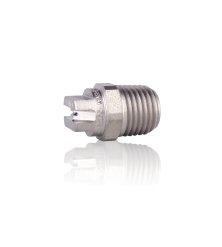
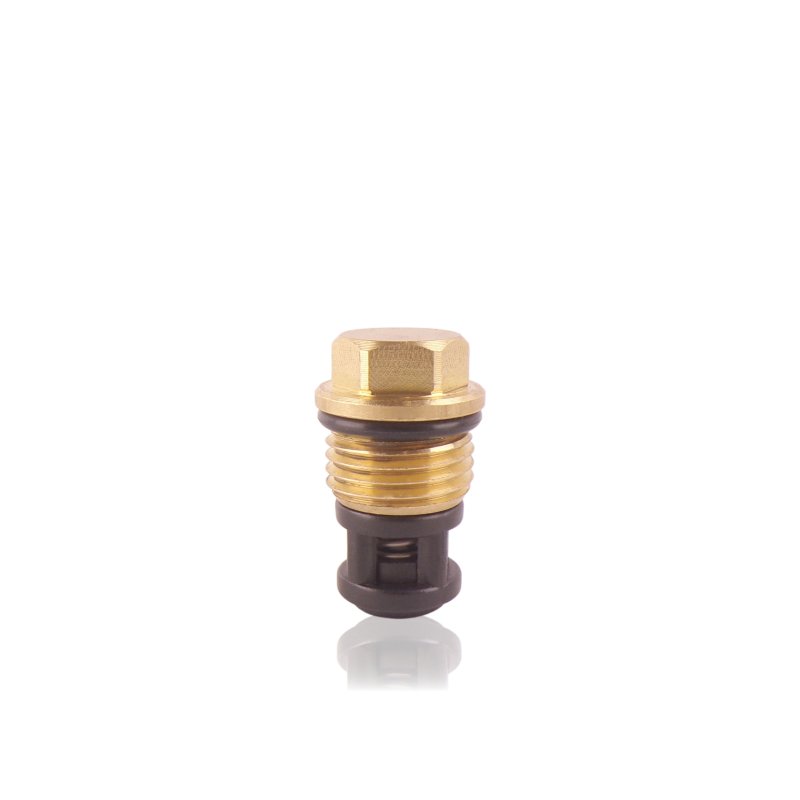
Plug with a built-in check valve, functioning as the pump's suction/discharge valve. 6 pieces are used per pump – two for each of the three cylinders.
The plug closes an opening in the valve block while also acting as the inlet or outlet valve for a given pump cylinder. Each of the three cylinders has two such valves – one on the suction side, one on the discharge side – responsible for directional water flow during the plunger's operating cycle.
Selection is based on reference number 43066 – since 6 pieces are used per pump, with typical pressure-drop symptoms it's worth replacing the entire set at once rather than a single plug, as wear usually affects all the valves to a similar degree.
For a larger-scope repair, a valve repair kit is available (Reparatursatz Ventile, 43.096 1), containing a complete set of these components for replacing the whole valve block at once.
Do all 6 plugs need to be replaced at once, or can they be replaced individually as they wear?|They can be replaced individually, but since all of them work under identical load conditions, with typical pressure-drop symptoms it's more worthwhile to replace the entire set at once – this avoids having to disassemble the valve block again shortly after.
How does this plug differ from the 43067 variant used in the same Junior series?|43067 is the same plug design with a built-in valve, but with an additional R1/8" thread for a pressure gauge – fitted at one specific position in the valve block, where the gauge is connected. The remaining five positions use the plain 43066 variant.
How can I tell whether a pressure problem comes from the valves rather than the plunger seals?|Damaged plunger seals usually cause a visible water leak from the valve block to the outside, while worn valves cause a pressure drop and uneven operation without a visible leak – disassembling the block allows both components to be assessed at the same time.
[/faq]
Model
1050 TS
Model
1050 TST
Model
1050 P
Model
Junior 140
Model
Junior 120