

 Ostatnie sztuki!
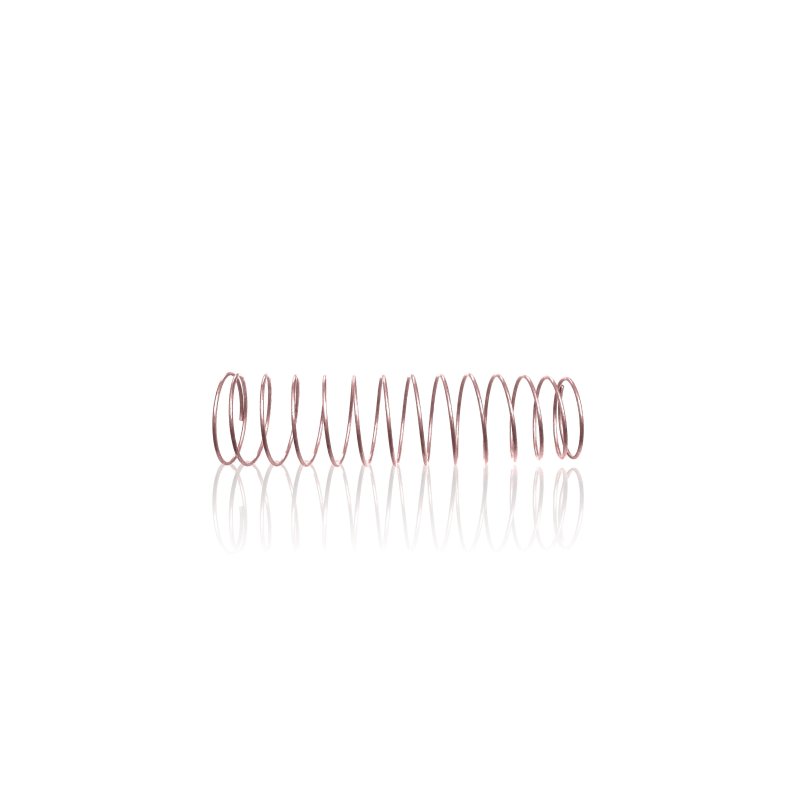
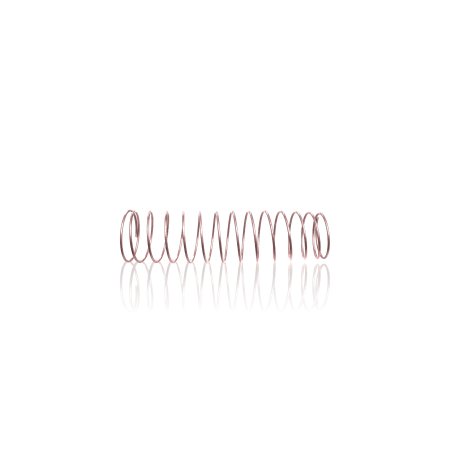
In the flow monitor, the spring is responsible for maintaining the correct pressure and proper operation of the cooperating components within the control system. Its parameters have a direct impact on the stability of the subassembly, which is why wear or deformation of this part may disrupt the operation of the entire assembly.
Springs of this type are used during repairs, inspections, and service work related to the flow monitor in cleaning equipment and pressure systems. The component operates where controlled pressure, return of parts to the working position, or maintenance of the correct mechanical tension within the assembly is required.
In service practice, spring replacement is necessary when the system stops working stably, the cooperating part does not return to the correct position, or the spring loses its working properties. In subassemblies responsible for flow control, even a slight change in spring characteristics may affect operating accuracy and repeatability of the entire mechanism.
The spring should be selected primarily based on its working dimensions and compatibility with the mounting point. In this case, the 0.5x11/9.7x44 parameters are important, as well as the method of seating the spring in the flow monitor assembly. It is worth comparing the new component with the removed part, paying attention to diameter, length, and coil arrangement.
Before installation, it is worth checking:
Accurate matching is crucial, because an incorrect spring may cause too little or too much pressure, disturbances in flow monitor operation, and problems with correct installation.
The compatibility of this part should be assessed based on the technical data specified for the specific flow monitor and the actual spring parameters. Not only the dimensions matter, but also the working method of the part and its interaction with the other components of the assembly. A similar appearance does not guarantee fitment, because differences in diameter, length, or spring characteristics may affect system operation.
What is the spring used for in the flow monitor?|Its purpose is to provide the correct pressure and maintain proper operation of the cooperating components in the flow control system.
How can I check whether this spring is the correct one?|You should compare the dimensions, length, diameter, and coil arrangement with the removed part and confirm compatibility with the technical documentation for the given assembly.
Can a substitute be used instead of the original spring?|Yes, but only if the substitute has identical working parameters and operates in the same way at the specific mounting point.
What symptoms indicate spring wear?|The most common signs are weakened pressure, failure of the component to return to the working position, spring deformation, or unstable operation of the subassembly.
Can a damaged spring affect flow monitor operation?|Yes. A change in pressure force or incorrect spring operation may disrupt the mechanism and affect the stability of the entire system.
[/faq]
Model
E-Therm 873 M 36
Model
Therm CA 12/150
Model
E-Therm 873 M 36 T
Model
Therm 1165-1
Model
Therm CA 12/150 T
Model
E-Therm 873 M 48
Model
Therm C 13/180 T
Model
Therm-RP 1000
Model
E-Therm 873 M 48 T
Model
Therm C 11/130 T
Model
Therm-RP 1000 T
Model
Therm 602 E-M 18
Model
Therm 1017 T
Model
Therm-RP 1600 T
Model
Therm 602 E-M 24
Model
Therm 1017
Model
Therm-RP 1600
Model
Therm 602 E-M 36
Model
Therm-RP 1400
Model
Therm-RP 1000 AT
Model
Therm-RP 1200 AT
Model
Therm 872 E-M 48
Model
Therm-RP 1400 T
Model
Therm-RP 1400 AT
Model
Therm 635-1
Model
Therm-RP 1200
Model
Therm-RP 1600 AT
Model
Therm 875-1
Model
Therm-RP 1200 T
Model
E-Therm 500 M 18
Model
Therm 715
Model
Therm C 11/130
Model
E-Therm 500 M 18 T
Model
Therm 870-1
Model
Therm C 13/180
Model
E-Therm 500 M 24
Model
Therm 1525-1
Model
Therm C 15/150
Model
E-Therm 500 M 24 T
Model
Therm CA 15/120
Model
Therm C 15/150 T
Model
E-Therm 603 M 36
Model
Therm CA 11/130
Model
E-Therm 603 M 36 T
Model
Therm CA 11/130 T