

 Ostatnie sztuki!
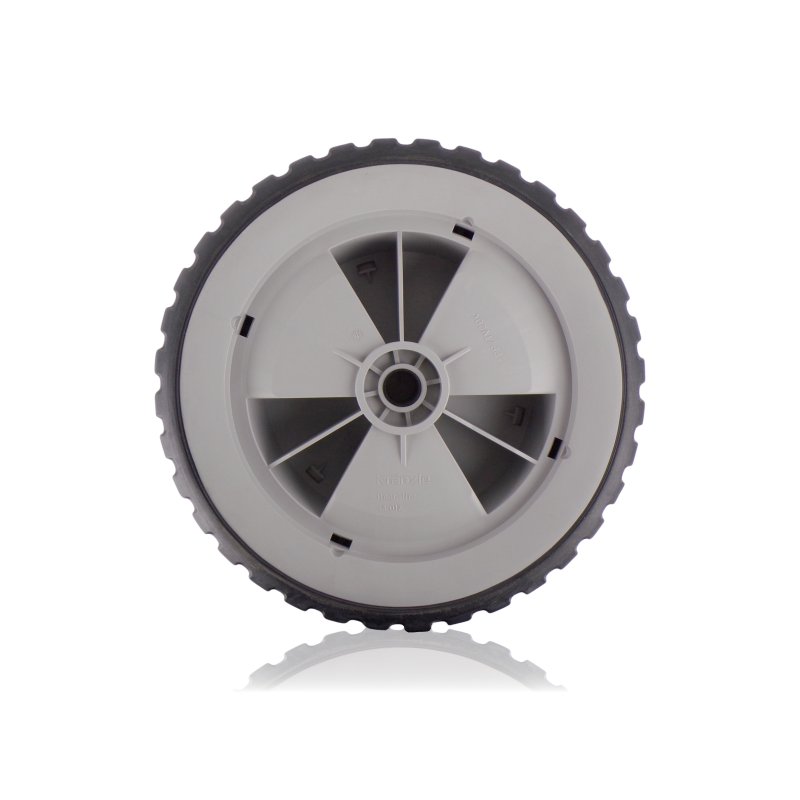
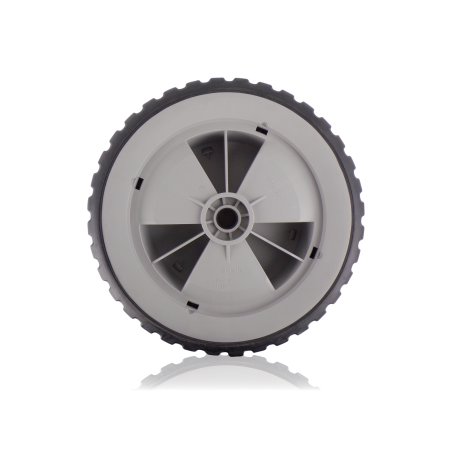
A wheel with a diameter of 300 mm is used in larger running gear assemblies, where the load of the machine, uneven ground and frequent repositioning require stable support. In such a system, not only the outer diameter matters, but also the hub, axle hole and the way the wheel works with the remaining mounting components.
The 300 mm wheel works in the running gear system of a pressure washer, allowing the unit to be moved around a hall, workshop, service area or work site. In larger constructions, the wheel takes on significant load resulting from the weight of the machine, accessories and housing components.
In service practice, this component is replaced when cracked, deformed, when the hub is worn out, or when the wheel no longer works correctly with the axle. Wear may affect both the outer rolling surface and the inner part, whose condition is not always visible before disassembly. That is why, during repair, it is worth assessing the entire mounting point, not only the wheel itself.
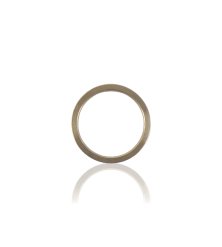
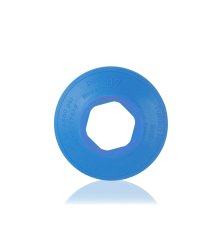
Wheel selection should begin with confirming the 300 mm diameter, but it should not end there. The width of the component, the hub design, the diameter of the axle hole, and compatibility with the wheel cover and spacer components are equally important.
Before installation, it is worth checking:
Accurate selection is important, because a wheel with a similar diameter but a different hub or width may not work correctly in a given running gear assembly. The result may be play, rubbing against the housing or incorrect alignment relative to the axle.
Compatibility of a 300 mm wheel should be assessed based on the entire running gear system, not only the outer dimension. Fit is determined by diameter, width, hub construction, mounting method and cooperation with the axle and cover. Similar wheels may differ in details that, after installation, have a major effect on stability and durability of the connection.
[faq]
Do you also need to measure the axle hole when replacing a 300 mm wheel?|Yes. The outer diameter defines the wheel size, but the axle hole determines whether the component will work stably on the axle without excessive play.
What can cause play after installing a new wheel?|The cause may be not only the wheel itself, but also a worn axle, missing correct washer, damaged spacer or a worn mounting area in the housing.
Is it worth replacing the wheel if the wear is visible mainly in the hub?|Yes. If the hub is worn out, the wheel may not maintain alignment despite a good outer surface. In that case, continued operation may accelerate wear of the axle and mounting components.
Can a 300 mm wheel be replaced with a smaller or larger one?|This should not be done without confirming the machine design. A change in diameter affects support height, housing position and the operation of the second wheel in the same assembly.
What should be checked if the wheel rubs against the housing after installation?|The wheel width, order of washers, axle condition and whether the housing or mounting element is deformed should be checked. Rubbing often results from incorrect seating or wear of cooperating components, not from the wheel diameter itself.
[/faq]
Model
Quadro 1500 TS
Model
Primus 1200 TST
Model
E-Therm 500 M 24
Model
Quadro 1000 TST
Model
Quadro 1500 TST
Model
Primus 1200 TS AT
Model
E-Therm 500 M 24 T
Model
Quadro 1200 TST
Model
Therm 870-1
Model
LX-RP 1000 TST
Model
E-Therm 603 M 36
Model
E-Therm 603 M 36 T
Model
Therm 895-1
Model
Therm 890
Model
LX-RP 1200 TST
Model
E-Therm 873 M 36
Model
Therm 1165-1
Model
Therm 1160
Model
LX-RP 1400 TST
Model
E-Therm 873 M 36 T
Model
Quadro 800 TST
Model
Therm 1525-1
Model
LX-RP 1600 TST
Model
E-Therm 873 M 48
Model
Therm 1017 T
Model
Profi-Jet B 170 T
Model
Therm-RP 1000
Model
E-Therm 873 M 48 T
Model
Therm 1017
Model
Profi-Jet B 200 T
Model
Therm-RP 1000 T
Model
Therm 895
Model
Therm-RP 1400
Model
Profi-Jet B 230 T
Model
Therm-RP 1600 T
Model
Therm 1165
Model
Therm-RP 1400 T
Model
Profi-Jet B 240 T
Model
Therm-RP 1600
Model
Therm 602 E-M 18
Model
Therm-RP 1200
Model
Profi-Jet B 270 T
Model
Therm-RP 1000 AT
Model
Therm 602 E-M 24
Model
Therm-RP 1200 T
Model
Therm 755
Model
Therm-RP 1200 AT
Model
Therm 602 E-M 36
Model
Quadro 1000 TS
Model
LX 2000
Model
Therm-RP 1400 AT
Model
Therm 872 E-M 48
Model
Quadro 1200 TS
Model
LX 2500
Model
Therm-RP 1600 AT
Model
Therm 635-1
Model
Primus 1000 TST
Model
D 26/250 TST
Model
E-Therm 500 M 18
Model
Therm 875-1
Model
Primus 1000 TS AT
Model
D 30/180 TST
Model
E-Therm 500 M 18 T