

 Ostatnie sztuki!
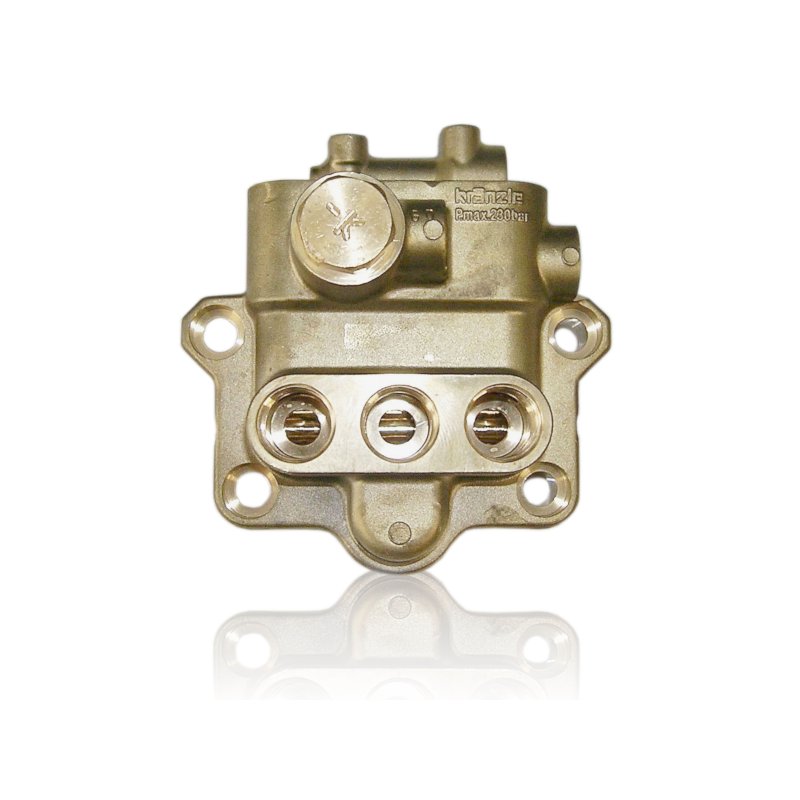
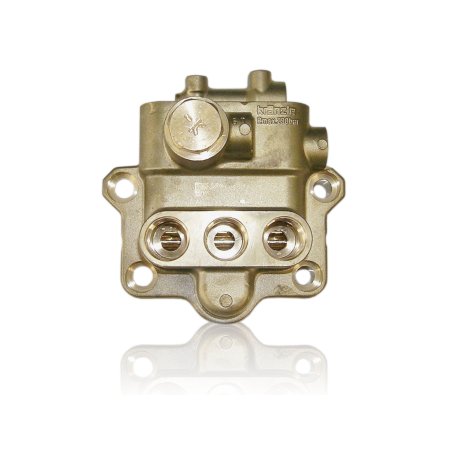
The AQ pump head body is the base component of the AQ pump’s hydraulic section, forming the working housing for the seats and seating zones of the water-system components. In service, it is replaced when the body is worn or damaged in a way that affects sealing and parameter stability, and seal-only repairs no longer provide a durable result.
MPN / reference: 405034
The head body is used in typical AQ pump service work:
Head-body replacement is most often considered when there are:
Selection of the body should be unambiguous:
For housing/body parts, tolerances and geometry are critical - a similar-looking part may differ in details that affect installation and sealing.
Select the head body based on MPN 405034 and compatibility with the AQ pump and the specific machine variant. Fitment for Therm 1160 / Therm 1525-1 / Therm 890 should be confirmed in the parts list and by comparing with the removed component.
[faq]
Does the AQ body for Therm 1160/1525-1/890 differ from AQ bodies for other Therm models?|It can differ in geometry details (channels, seating areas, mounting points). That’s why you shouldn’t select “just because it’s AQ” - the basis is MPN 405034 and comparison with the removed part.
What does “worn seats” mean in practice in a head body?|It’s wear of the surfaces where water-system components seat/work (e.g., valve seating areas). The result can be unstable pressure, sealing issues, and faster seal wear.
When replacing the body, do I always need to replace the seals too?|In service practice, usually yes. Seals that have been running on a worn body can be deformed, and assembling onto new surfaces is best done with a full set of sound seals.
What operating conditions most often accelerate body wear in Therm machines?|Most commonly: poor water filtration, deposits/scale, operation with contaminated water, and long-term high-load use. This leads to wear of seats and working surfaces.
What should I check if pressure fluctuations persist after replacing the body?|Check valves, the regulator/unloader, piston/plunger condition, and water supply/filtration. Fluctuations can come from mating components, not only the body.
[/faq]
Model
Therm 890
Model
Therm 1160
Model
Therm 1525-1