

Authorised distributor
 Ostatnie sztuki!
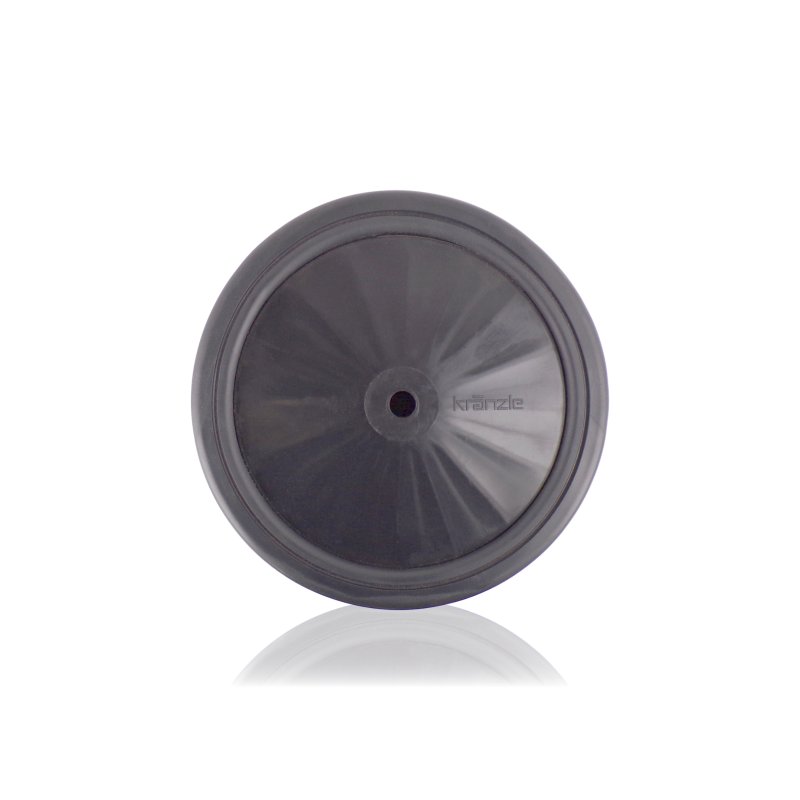
The 200 mm wheel works where everyday mobility of the unit matters, not only its operating parameters. In K series pressure washers, it is the running gear assembly that carries the load of moving the machine around the workshop, driveway, or service area, which is why the condition of the wheel directly affects ease of use and the stability of the entire washer.
This component is used in pressure washers as part of the running gear system responsible for rolling the unit and maintaining proper support on one side of the housing. A wheel with a diameter of 200 mm is an intermediate solution between smaller, more compact variants and larger wheels used in heavier models. As a result, it works well where the unit should remain handy, but at the same time must be convenient for everyday repositioning.
The input data indicates that the part may be used, among others, in the K115-K185 series. In practice, the wheel works together with the axle, washers, cover, and the mounting point in the housing, so its wear very rarely remains a problem of “just the wheel” alone. When the running element loses its proper shape or the play at the seating point becomes too large, it affects the handling of the entire unit.
In the case of a wheel, it is not enough to rely only on the device name. The 200 mm diameter is the basic parameter, but proper fit is also determined by the wheel width, hub design, and the way it works with the axle and the remaining components of the running gear assembly.
Before installation, it is worth checking:
In practice, it is best to compare the new part directly with the old wheel. Even a small dimensional difference can change the height of the unit, the way it rolls, or the way it seats on the axle.
The 200 mm wheel should be selected for a specific running gear system, not only by the fact that it “fits the K series.” Information about use, for example in K115-K185 models, should be treated as a reference point, but final compatibility is best confirmed by the hub design, diameter, and mounting method. In running gear components, similar external appearance does not guarantee correct fit if the seating area or wheel width is different.
[faq]
Does a worn wheel always have to show visible cracks?|No. Often the first symptom is play at the axle or uneven rolling before clear damage appears on the outer surface.
What causes problems more often: a damaged tread or a worn hub?|It depends on the working conditions. With frequent rolling on hard surfaces, the outer surface wears faster, while with long-term use with play, the axle seating area is often the problem.
Can one worn wheel affect the entire housing of the device?|Yes. Uneven handling and tilting during transport change the distribution of loads on the base, handles, and mounting points of the running gear assembly.
What is worth checking together with replacement of the 200 mm wheel?|It is worth inspecting the axle, washers, wheel cover, and the mounting point in the housing, because a new wheel will not work properly if the rest of the running gear assembly is already worn.
[/faq]
Model
K 205 T
Model
K 185
Model
K 125
Model
K 115
Model
K 145 T
Model
K 175 T
Model
K 135
Model
K 155