

 Ostatnie sztuki!
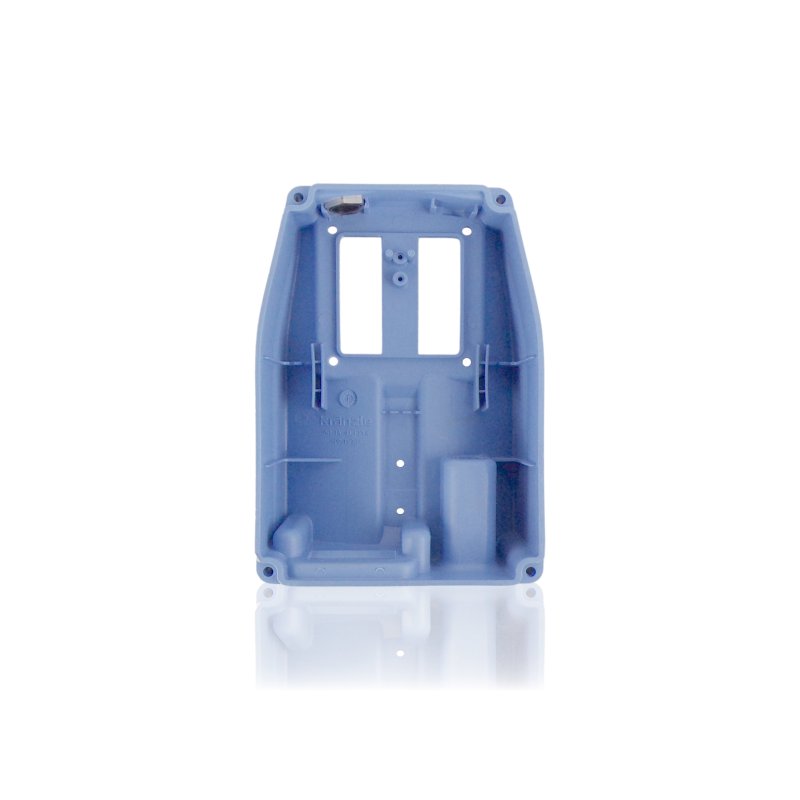
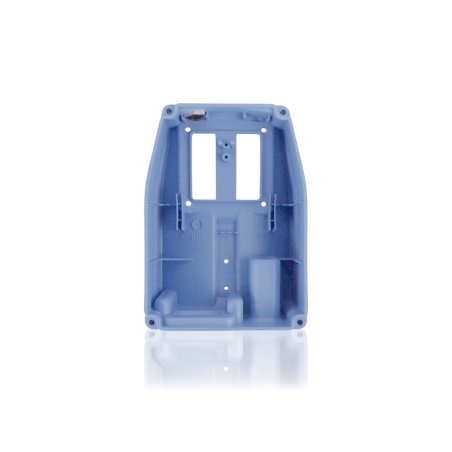
The base of the electrical box is the part of the housing that most often reveals the effects of previous repairs, mounting overload, and operation in demanding conditions. When the lower part is cracked or deformed, the problem usually does not end with the housing itself - it begins to affect the arrangement of the internal components and the way the entire assembly closes.
The lower part of the HD electrical box works as a supporting element for the subassemblies enclosed in the housing. It is precisely this part that defines the seating points, the contact edges with the cover, and the mounting locations of the components inside the box. In practice, it therefore performs both a structural and a protective function.
This type of part is most often replaced after cracks near the screws, damage to the corners, deformation of the base, or when the old housing no longer allows the box to be assembled correctly after servicing. In workshop and industrial units, the electrical area is regularly opened for repairs and inspections, which is why the lower housing segment is often more exposed to material fatigue than the cover itself.
Additional importance comes from the fact that this is a new version of the part. With components of this kind, it is worth comparing the design very carefully with the removed part, because a version change may mean differences in mounting details or in the geometry of the housing.
In the case of the lower part of the electrical box, the most important thing is to confirm compatibility of the design with the specific HD unit. The part name alone is not enough, especially if the manufacturer has introduced a new version of the element. Attention should be paid to the shape of the base, the hole layout, the edge profiles, and the seating points of the cooperating components.
Before installation, it is worth checking:
With parts of this kind, even a small difference in design may cause problems with assembling the box or improper positioning of the subassemblies. That is why selection is best confirmed by direct comparison with the existing base.
The new version of the lower part of the electrical box should be selected not only by the HD designation, but also by the actual housing design used in the specific unit. Compatibility is determined by the outline of the base, the mounting layout, the way it connects with the cover, and the arrangement of the seating points for the internal components. In electrical housing parts, correct mechanical fit has a direct impact on the correctness and safety of assembly of the whole unit.
[faq]
Why is damage to the lower part of the box more problematic than it looks?|Because this element forms the base for the whole assembly. If the base is deformed, it may disturb the positioning of the internal components, the routing of the wires, and the way the cover closes.
How can the problem with the lower part of the box be distinguished from a problem with the cover itself?|Most often by the fact that the cover itself appears correct, but it does not meet the base evenly, the screws do not align axially with the mounting points, or the whole box twists under stress.
Is it worth checking the inside of the assembly when replacing the box base?|Yes. It is a good opportunity to check the condition of the wires, grommets, screws, spacers, and seating points of the components, because a damaged housing often goes hand in hand with overload of the cooperating parts.
Can the part be selected only by the fact that it is “for HD”?|No. In addition to the series itself, the version, the geometry of the base, and compatibility of the mounting points with the housing installed in the specific unit must also be confirmed.
[/faq]
Model
HD 10/122 TS
Model
HD 7/122 TS
Model
HD 9/80 TS
Model
HD 12/130 TS