Ostatnie sztuki!
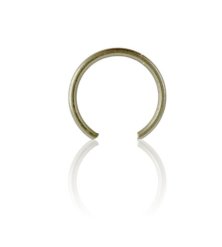
In threaded and bolted connections, it is often the washer that ensures proper sealing of the contact surface or correct distribution of pressure on the mounting surface. The 10x15x1.5 mm size and the reference to DIN7603 indicate an element that must be matched precisely to the diameter, seat, and operating method of the specific connection.
Washers with these parameters are used in pumps and other assemblies working under mechanical or pressure load, where it is important to maintain correct clamping force and proper seating of the fastened element. Depending on the design of the specific mounting point, they may serve a sealing, spacing, or protective function.
In service practice, washer replacement is often necessary after disassembling a connection, especially when the old element has become flattened, deformed, or no longer provides proper sealing. In pump parts, even such a simple detail is important for installation durability and correct operation of the entire system.
When selecting a washer, three parameters are crucial: inner diameter, outer diameter, and thickness. In this case, the 10x15x1.5 mm size must be confirmed. Compliance with DIN7603 and comparison with the part removed from the system are also important.
Before installation, it is worth checking:
Accurate selection is important in practice, because a washer that is too thin, too thick, or improperly matched may cause lack of sealing, incorrect clamping force, or problems with correct tightening of the parts.
Compatibility of this washer should be assessed on the basis of exact dimensions and the function it is intended to perform in the given connection. For elements compliant with DIN7603, general visual similarity is not enough, because even a small difference in diameter or thickness affects seating and effectiveness of the connection. The safest way is to select such an element based on dimensions, seat type, and the technical data specified for the given mounting point.
[faq]
What does the 10x15x1.5 mm size mean for this washer?|The marking refers to the basic parameters of the element: inner diameter, outer diameter, and thickness. These values determine fitment to the specific connection.
What role can a washer play in a pump?|Depending on the mounting location, it may be responsible for sealing the connection, proper distribution of pressure, or maintaining the correct spacing between fastened parts.
Is it worth replacing the washer after every disassembly?|In many cases yes, especially if the element works as a sealing washer or if flattening, deformation, or wear marks are visible after disassembly.
What does the reference to DIN7603 mean?|It is information about the washer manufacturing standard. This matters when selecting a replacement part, because it helps match the element to the specific connection type and installation requirements.
Will a similar washer with a close size be suitable?|This should not be assumed automatically. In pump connections, the exact size and compatibility with the seating point are important, because even a small difference may affect sealing and installation stability.
[/faq]