Ostatnie sztuki!
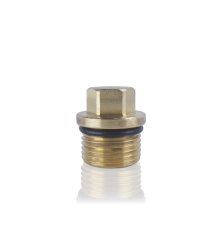
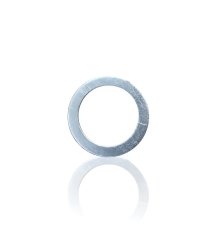
The Kärcher-Kränzle adapter is a transition component that allows accessories built for one system standard to be used with a machine or accessories from the other. In service practice, this type of adapter is used when you need to match connections (e.g., hose, gun, lance, or accessories) without replacing the entire accessory set.
MPN / reference: 132501
The adapter is used in typical assembly and service work:
Consider replacing the adapter when you notice:
Selection should be unambiguous:
With “system” adapters, the most common mistake is choosing the reversed version (swapped sides) or a different connector standard.
Select the adapter based on MPN 132501 and compatibility with the specific connector type on the Kärcher side and the Kränzle side. Because multiple variants can exist under the “Kärcher-Kränzle” name, the safest approach is confirming by comparison with the removed part and with the plug/socket on your accessories.
[faq]
Is the Kärcher-Kränzle adapter “universal” for all devices of both brands?|You shouldn’t assume that. Different series can use different connectors. The safest selection is by comparing both adapter ends to your actual accessories.
How do I know whether I need a plug or a socket on the Kränzle side?|Check the part you’re connecting to: if it’s already a socket, you need a plug-and vice versa. If unsure, compare with the removed part or use a photo of the connector.
Why does a micro-leak sometimes appear after installing an adapter?|Most often due to a worn seal in the mating socket, contamination, misalignment, or choosing an incompatible connector variant. An adapter won’t “fix” a worn mating port.
Does the adapter affect washer performance parameters?|In typical use the impact is negligible, as long as the adapter seals properly and doesn’t restrict flow in an unusual way. Correct fit and leak-tight connections are the key.
What should I check after connecting the adapter before working under load?|Tightness at both joints, secure locking/tightening, and that the hose isn’t pulling at an angle that loads the adapter. Do a short pressure test and inspect for any “sweating.”
[/faq]