

 Duża dostępność
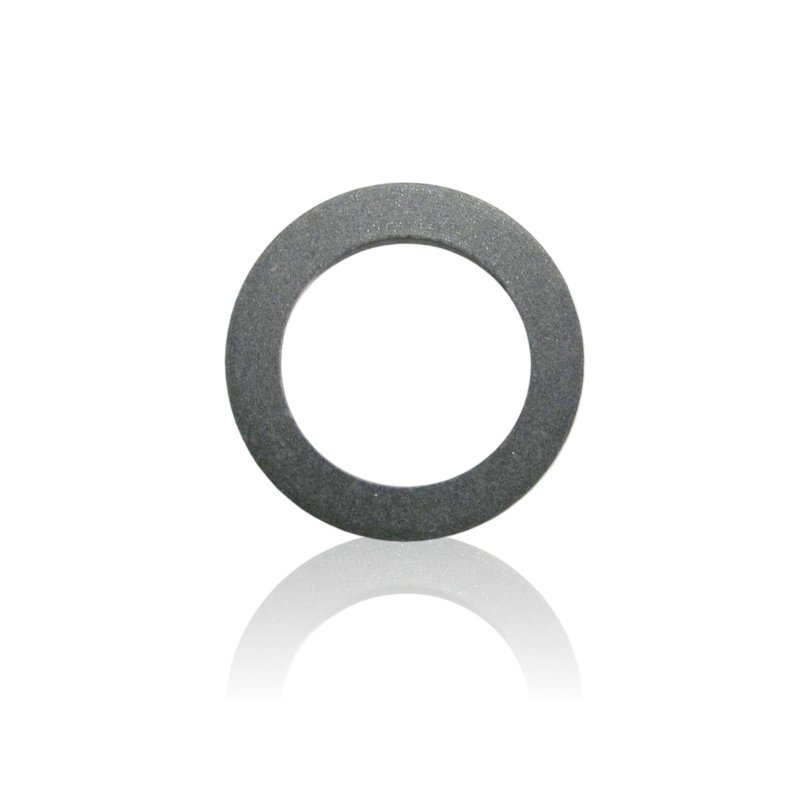
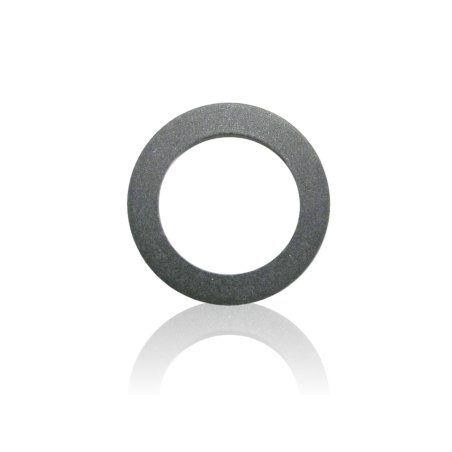
The 18×26×2 mm washer ring is a mounting component used in pressure-washer assemblies. Its function is to position parts, distribute load, and maintain the correct spacing in a joint. In servicing, it is replaced when worn, deformed, or during an overhaul where washer thickness affects the fit of mating components.
MPN / reference: 410142
Dimension: 18×26×2 mm
Reference dimension: Ø 18 mm
The ring/washer is used in typical assembly and service work:
Consider replacing the washer when you notice:
Selection should be done precisely:
For spacer components, thickness is critical - a change by fractions of a millimeter can affect fit and clamping force in the assembly.
Select the washer ring based on MPN 410142 and the 18×26×2 mm dimensions, according to service documentation or by comparison with the removed part. Treat Ø 18 mm as a hint for the inner diameter, but compatibility is determined by the full set of dimensions and the part number.
[faq]
Is the 18×26×2 washer a “single-use” part after disassembly?|Not always, but if the washer shows crushing marks, thickness loss, or corrosion, reinstalling it increases the risk of play and improper clamping force. In service, it’s often replaced during an overhaul.
How can I tell the washer is the issue and not, for example, a bushing or shaft?|If play or uneven clamping occurs despite serviceable guiding elements, and after disassembly the washer shows wear marks or deformation, it’s usually one of the main suspects.
Does Ø 18 mm mean the hole diameter or the outer diameter?|In the 18×26×2 notation, the first value refers to the inner diameter (the hole). To be sure, always compare with the removed part and confirm selection by MPN 410142.
What can happen if I install a washer with a thickness different from 2 mm?|It can change the position of parts in the assembly, introduce play, or cause excessive clamping force. In extreme cases it affects wear of mating components and the stability of the subassembly.
Do I need to prepare anything before installing a new washer?|Yes: clean the contact surfaces, check for burrs, and assess the condition of mating parts. This reduces the risk of uneven clamping and accelerated wear.
[/faq]
Model
Profi-Jet B 13/150 T
Model
Quadro 799 TST
Model
Therm 601 E-ST 36
Model
Therm C 13/180
Model
Therm C 15/150
Model
Therm 602 E-M 18
Model
Quadro 599 TST
Model
Profi 15/120 TST
Model
Therm C 15/150 T
Model
Therm 602 E-M 24
Model
Quadro 899 TST
Model
Therm CA 15/120
Model
Therm CA 11/130
Model
Therm 602 E-M 36
Model
2175 TST
Model
Therm 755
Model
Therm CA 11/130 T
Model
Therm 872 E-M 48
Model
2175 TS
Model
K 125
Model
Therm CA 12/150
Model
Therm 635-1
Model
Profi 160 TST
Model
K 115
Model
Therm CA 12/150 T
Model
Therm 875-1
Model
Profi 175 TST
Model
E-Therm 500 M 18
Model
Therm 715
Model
Profi 195 TST
Model
E-Therm 500 M 18 T
Model
W 11/135
Model
Therm C 11/130 T
Model
E-Therm 500 M 24
Model
Therm 870-1
Model
Therm 1017 T
Model
E-Therm 500 M 24 T
Model
Quadro 12/150 TST
Model
Therm 1017
Model
E-Therm 603 M 36
Model
Profi-Jet B 170 T
Model
HD 9/80 TS
Model
E-Therm 603 M 36 T
Model
Profi-Jet B 200 T
Model
HD 12/130 TS
Model
E-Therm 873 M 48
Model
Therm 601 E-ST 18
Model
Quadro 11/140 TST
Model
E-Therm 873 M 48 T
Model
2160 TST
Model
Therm 601 E-ST 24
Model
2160 TS
Model
Profi-Jet B 13/150
Model
Therm C 13/180 T
Model
Therm 871 E-ST 48
Model
Therm C 11/130