

 Duża dostępność
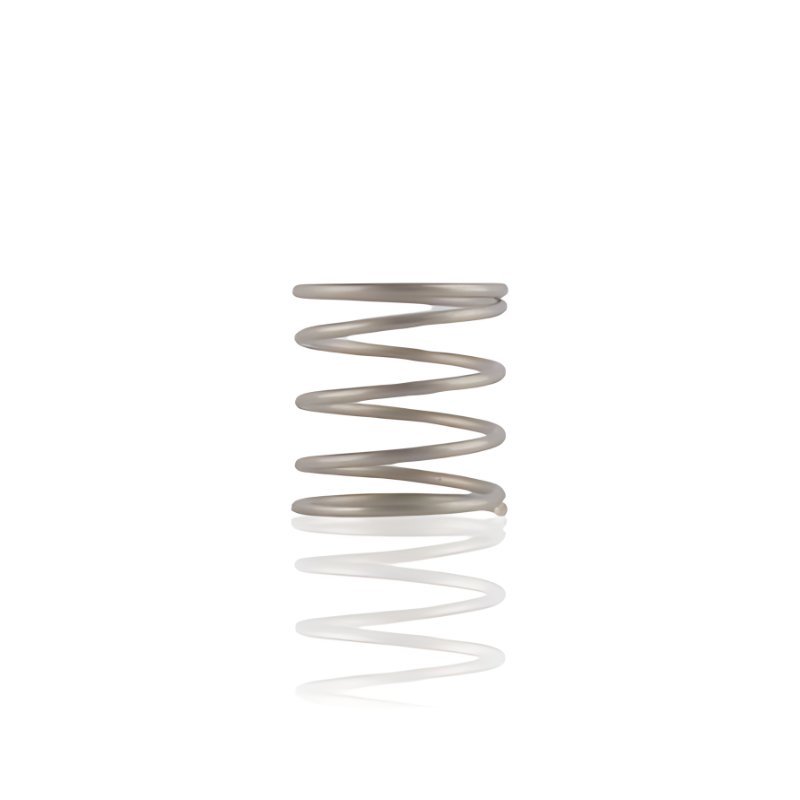
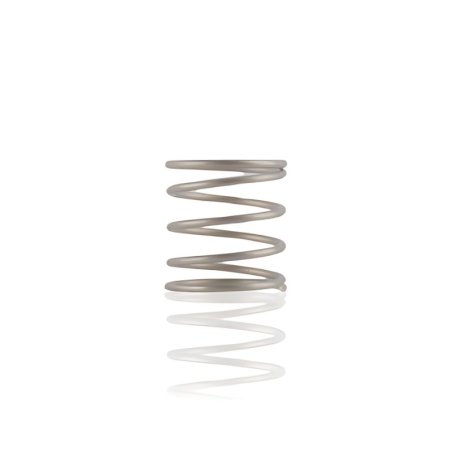
In the injector system, the check valve compression spring is responsible for maintaining the correct pressure on the closing element and the proper operation of the entire subassembly. Its parameters determine whether the valve operates stably, maintains the correct working position, and cooperates properly with the other parts of the system.
A spring of this type is used during repairs, inspections, and service work related to the check valve in the injector. It operates in a location where controlled pressure and reliable return of the working element to the correct position are required.
In service practice, replacement of such a part is necessary when the check valve no longer operates correctly, the pressure becomes too weak, or the component becomes permanently deformed. In UL, AP, and APG systems, even a slight change in spring characteristics may affect the way the assembly operates, which is why the condition of this detail is important both for correct installation and for later operation.
The spring should be selected based on compatibility with the specific check valve in the injector and the parameters of the mounting point. Important factors include working dimensions, free length, diameter, coil arrangement, and the method of seating in the assembly. Comparing the new part with the removed component is also helpful.
Before installation, it is worth checking:
Accurate matching is crucial, because an incorrect spring may cause too little or too much pressure, disrupt valve operation, and lead to problems with correct functioning of the entire injector.
The compatibility of this part should be assessed based on the technical data specified for the check valve used in the injector and compatibility with UL, AP, and APG systems. Actual dimensions, seating method, and the spring’s operating characteristics in the given assembly should all be taken into account. A similar appearance alone does not guarantee fitment, because differences in length, diameter, or stiffness may affect the operation of the valve and the entire dosing system.
What is the injector check valve compression spring used for?|Its purpose is to provide the correct pressure on the check valve element and maintain proper operation of the cooperating parts in the injector system.
How can I check whether this spring is the correct one?|You should compare its dimensions, design, and seating method with the removed part and confirm compatibility with the technical documentation for the given system.
Is this part compatible with UL, AP, and APG systems?|This application follows from the provided input data, but the final fitment should be confirmed based on the valve design, spring dimensions, and the specification of the specific assembly.
What symptoms indicate wear of the check valve spring?|The most common signs are weakened pressure, failure of the working element to return correctly, spring deformation, or unstable valve operation.
Can a substitute be used instead of the original spring?|Yes, but only if the substitute has identical working parameters and operates with the same characteristics at the specific mounting point.
[/faq]